Abstract Floral Embroidery Design
A Designer’s Real-World Test Before the First Customer Order
As an embroidery designer who’s shipped over 3,000 custom gift orders—from baby blankets for first-time parents to wedding keepsakes stitched into linen napkins—I treat every new machine embroidery design like a potential collaborator. Not just a file, but a quiet partner in storytelling. When I opened the Abstract Floral Embroidery Design, my first impression was immediate: it breathes. Not loud or busy, but softly confident—elegant without being stiff, modern without losing warmth. It lands squarely in that rare sweet spot between artistic and approachable.
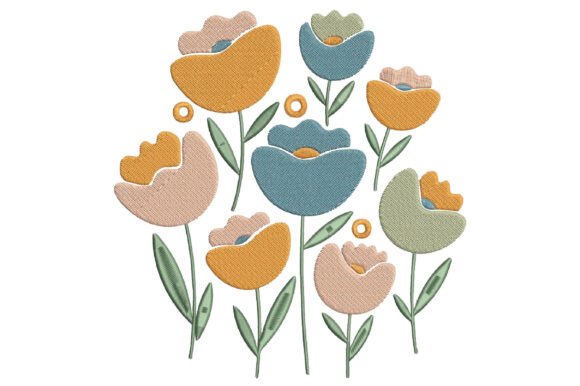
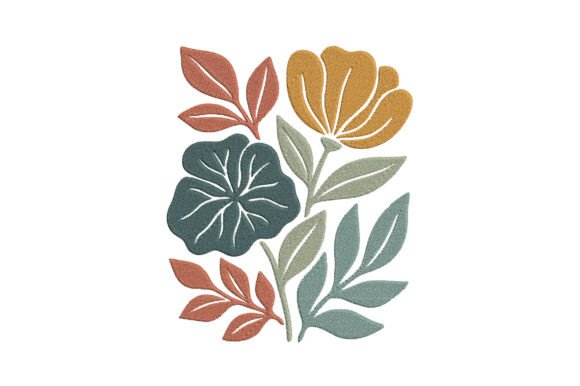
This isn’t a botanical illustration. It’s a stylized, flowing composition—think petals suggested with graceful curves, stems implied with fine negative space, and blooms distilled into gentle, asymmetrical shapes. The mood? Calmly romantic, quietly sophisticated. It feels handmade—not because it’s rough, but because it invites interpretation. Customers drawn to minimalist nursery decor, thoughtful wedding gifts, or elevated kitchen textiles will recognize its intention right away. It’s not seasonal, not trendy—it’s timeless modern.
Where This Design Truly Shines in Personalized Gifting
The Abstract Floral Embroidery Design excels where emotional resonance meets practical versatility. Here’s how it performs across real product categories:
- Baby embroidery: Stitched on organic cotton swaddles or muslin blankets, it reads as tender and unhurried—perfect for gender-neutral nurseries or heirloom baby gifts. Its open composition avoids visual clutter, letting soft fabric texture shine through.
- Wedding gifts: On ivory linen pillow covers or monogrammed handkerchiefs, it adds quiet luxury. Pair it with delicate script for names or dates—it doesn’t compete; it complements.
- Embroidered towel: Works beautifully on high-quality flour sack or waffle weave towels. Because the design is minimal, it won’t get lost in the texture—and won’t snag during drying.
- Pillow cover & tote bag: Scales well. Centered on a linen pillow or subtly placed near a tote’s side seam, it elevates a simple item into a curated, small shop product.
- Nursery decor & aprons: Its gentle rhythm makes it ideal for wall hangings or chef-style aprons—functional pieces that feel intentional, not generic.
- Etsy seller & craft fair appeal: Photographs exceptionally well. Its clean lines translate clearly in digital mockups and printed listings. Buyers scroll past noise—they pause for calm.
Where to Use Thoughtful Caution
Every great digital embroidery file has boundaries—and honoring them builds trust. With the Abstract Floral Embroidery Design, here’s where attention matters:
- Small lettering or fine details: While elegant, this is a single floral composition—not a dense bouquet. Avoid adding tiny text inside petals or stems unless you’ve tested legibility at 1x scale.
- Textured or thick fabrics: Heavy terry cloth or quilted blankets may mute subtle stitch transitions. Always test on scrap with matching stabilizer.
- Stretchy baby clothes: Not recommended for onesies or knit bodysuits. The fluid lines rely on stable fabric movement—stretch distorts flow and tension.
- Curved surfaces: Avoid tight curves like mug sleeves or curved tote handles. The design’s grace comes from balanced, open space—not forced adaptation.
- Dark fabric: Thread contrast becomes critical. Light neutrals (ivory, oat, warm grey) sing on navy or charcoal—but verify your chosen thread colors in natural light before bulk stitching.
- Frequent washing: Though beautiful, very fine satin-stitch areas may soften over time. For high-use items like kitchen towels, consider reinforcing with a light tear-away + cut-away combo stabilizer.
Why This Design Builds Customer Trust—and Sales
In personalized gifting, perception is product. The Abstract Floral Embroidery Design signals care before the buyer even reads your description. Its balance of simplicity and artistry tells customers: This wasn’t mass-produced. It was chosen. That nuance lifts perceived value instantly—especially for Etsy sellers and small shop owners pricing handmade products thoughtfully.
It also deepens emotional connection. A new parent sees serenity—not decoration. A couple receiving a wedding gift sees intention—not inventory. And because it photographs so cleanly, your product images feel cohesive and premium, boosting buyer engagement and reducing hesitation at checkout.
Practical Embroidery Notes You’ll Want to Run Before Launch
Before stitching your first customer-ready piece, run these checks—every time:
- Test on scrap fabric—same type, same color, same stabilizer stack as your final product.
- Check thread color contrast on both light and dark fabric mockups. Natural light > screen preview.
- Confirm hoop size compatibility. Does it fit comfortably in your standard hoop—or does it require re-hooping mid-stitch?
- Review stitch density. Is it balanced? Too sparse risks flimsiness; too dense may cause puckering on lightweight linens.
- Use proper stabilizer—especially for woven fabrics prone to shifting. A medium-weight cut-away often supports its graceful lines best.
- Compare light/dark fabric mockups side-by-side. Does the design retain its elegance in both?
- Inspect small details post-stitch: Are petal edges crisp? Do stems read as continuous lines, not broken segments?
- Confirm commercial licensing before selling finished products. If unclear, contact the designer or marketplace—never assume.
The Abstract Floral Embroidery Design isn’t just another embroidery file. It’s a quiet invitation—to slow down, choose meaningfully, and make personalized gifts that land with sincerity. Whether you’re designing for a newborn’s first blanket, a couple’s first anniversary, or your own Etsy shop’s signature style, this design holds space for what matters most: the human moment behind the stitch.