Cute Baby Giraffe Embroidery Design Review
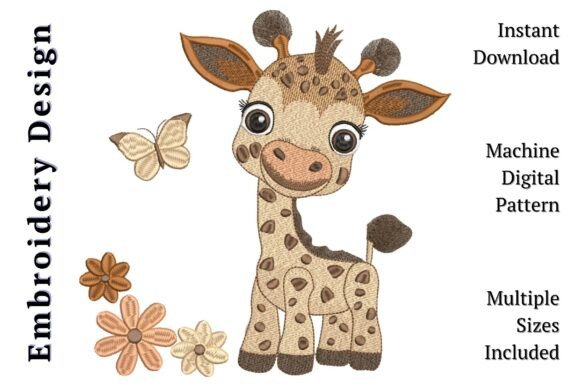
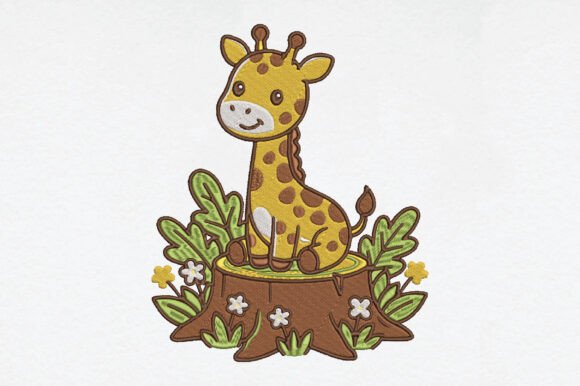
As an embroidery designer who works daily with small business owners, Etsy sellers, and merch creators, I see a lot of animal designs. But Cute Baby Giraffe stopped me. It’s not just another nursery file — it’s a design that can bridge the gap between a sweet keepsake and a branded merchandise asset. The description says it all: “Add a touch of sweetness to your projects with this Cute Baby Giraffe Embroidery Design. This adorable giraffe features a charming smiling face, soft colors, and playful details, sitting on a tree stu…” — and that softness is exactly what many small businesses need right now to create approachable, memorable products.
I’ve been in the commercial embroidery space long enough to know that a design either works for production or it doesn’t. This review breaks down how Cute Baby Giraffe performs for real business use: patches, uniforms, caps, tote bags, and the kind of handmade merchandise that builds a brand. Let’s dig into the details.
First Impressions and Visual Personality
When I opened the design, the first thing I noticed was the expression. The smiling face is genuinely friendly, not forced. The soft colors — likely pastel yellows, warm browns, and a gentle green or earthy tone for the stump — give it a handmade, boutique feel. It’s clearly a nursery category design, but its personality leans more playful and modern than old-fashioned or overly cutesy. That’s important for businesses that want to appear professional while still using a gentle mascot. The giraffe’s sitting pose and the stump create a natural, grounded composition that works well in tight spaces.
For a machine embroidery design, the linework appears clean and deliberate. The details — ears, tiny spots, the curve of the smile — are simplified enough to stitch well, but defined enough to read clearly at a distance. This balance is crucial for small business merch, where the design must be visible on a counter, a cap, or a shoulder patch. I’d call the visual personality “approachable charm with a hint of rustic whimsy” — a combination that fits a bakery, a florist, a children’s boutique, or a pet brand equally well.
Branding Potential for Small Businesses
Let’s talk about where Cute Baby Giraffe really shines: as a brand identity asset. I’ve seen countless small businesses — coffee shops, handmade studios, local markets — use embroidered accents to differentiate themselves. This design can serve as a chest logo accent on a denim apron, a sleeve detail on a work shirt, or a cap embroidery focal point. It’s not a full logo, but it’s an excellent secondary graphic that adds personality without overwhelming a brand name.
Imagine a bakery called “Little Sprout Bakery.” A Cute Baby Giraffe embroidered on the left chest of a flour-dusted apron instantly communicates warmth and care. Stick it on a tote bag with the shop name underneath, and you’ve got a retail-ready product that customers will reuse. For an Etsy seller specializing in baby gifts, this design stitched onto a bib or a hooded towel becomes a signature detail that buyers associate with quality. Even a pet supply brand could use it on a bandana or a treat pouch — the giraffe’s sweetness crosses categories.
The key is visual consistency. When you use one design across multiple items — patches, merchandise, packaging tags — you build recognition. That’s what turns a one-time buyer into a repeat customer. Cute Baby Giraffe works for that because its style is distinctive but not overly complex, so it reproduces reliably across different hoop sizes and fabric types.
Ideal Applications for Patches and Merch
I always test a design in my head against the most common commercial embroidery requests. Here’s how I’d use Cute Baby Giraffe for real products:
- Embroidered patches: This design is practically made for a patch. The round or oval silhouette of the giraffe on a stump fits patch borders perfectly. Use a merrow border or a satin-stitch edge, and you’ve got a sew-on or iron-on patch that appeals to kid’s brands, crafters, and even as a freebie with purchase.
- Apron embroidery: A single placement on a bib apron or a pocket corner works beautifully. The soft colors against natural canvas or denim create a premium handmade product feel.
- Cap embroidery: This is where I’d test the design at a smaller size. On a dad hat or a toddler cap, the giraffe’s face needs to remain clear. The design’s symmetry and centered composition suit the front panel of a structured cap well.
- Tote bag design: A large placement on a canvas tote bag turns a simple utility item into a branded merchandise piece. The playful nature of the design encourages everyday use, giving your business free advertising.
- Customer gifts and event merch: Stitch it on a small zipper pouch, a keychain blank, or a fabric tag. It’s a low-cost, high-impact add-on for market stalls or subscription boxes.
In every case, the design’s soft colors and playful details help it adapt. It won’t feel aggressive on a dark uniform, and it won’t disappear on a light tote. That versatility is exactly what a digital embroidery file buyer needs when they’re building a product line.
Where to Use Caution in Production
No design is perfect for every surface. After years of running embroidery machines, I know where Cute Baby Giraffe might need extra attention. The stitch density in the small spots and the facial features could become problematic if you try to stitch it under 2.5 inches. For a small patch size — say, a 1.5-inch cap patch — the eyes and smile might lose definition. I’d always test on scrap fabric first, especially on textured fabric like fleece or pique, where fine details can get swallowed.
Cap fronts are another tricky area. The curved surface can distort the design if the digitizing isn’t adjusted for the cap’s arc. I’d request a hoop size check and possibly a sewout on a cap frame before committing to a bulk order. For dark uniforms, the light colors will pop, but you need to ensure the thread colors don’t bleed into the background. A white underlay or a slightly darker outline can help the design stand out without losing its softness.
Also, consider frequent washing. If this design goes on a work uniform that’s laundered aggressively, the delicate satin stitches in the face might lose their crispness over time. I’d recommend a quality stabilizer — a cut-away for knits, a tear-away for wovens — and possibly a topper for high-pile fabrics. These small tweaks make the difference between a finished product that looks professional and one that looks homemade in the wrong way.
How It Elevates Brand Identity and Customer Trust
When a small business uses a design like Cute Baby Giraffe, they’re not just adding decoration. They’re telling a story. The giraffe’s gentle expression and the natural stump setting suggest care, nurturing, and approachability. For a nursery or a children’s brand, that’s obvious. But even for a florist, a café, or a handmade soap company, it subtly communicates that the business is thoughtful, friendly, and detail-oriented.
I’ve seen customer trust increase when a brand’s merchandise feels intentional. A stitched giraffe on a sleeve or a patch on a bag signals that the owner invested in quality. It’s a tactile cue — people touch embroidery, and that physical connection builds a memory. Over time, that brand identity becomes recognizable. One client of mine used a similar animal motif on all packaging; customers started posting photos of the little embroidered bags, and that organic reach was priceless.
From a product value standpoint, Cute Baby Giraffe lifts a plain item into a handmade product category. A $3 tote becomes a $20 boutique item. An apron becomes a gift. The design’s soft colors and playful details make it clear that someone chose this graphic with care — it’s not a generic stock print. That perception translates directly into higher margins and better buyer engagement.
Practical Embroidery Designer Notes
Before you load this embroidery file onto your machine, here’s my checklist — the same one I use for every new design that enters my studio:
- Test in black and white first: Print or view the design in grayscale. This reveals contrast issues before you commit to thread. If the giraffe’s spots blend into the body, you’ll need to adjust the thread colors.
- Check small patch performance: Stitch a sample at the smallest intended size. Look for gaps in the satin stitches, especially around the eyes and the smile. If the stitch density is too high, thin areas might pucker.
- Review thread color contrast: The “soft colors” mentioned in the description might be pastels. On a white or cream fabric, the yellow or light brown could wash out. I’d often add a subtle outline or use a slightly darker shade for the body to ensure the giraffe holds its shape.
- Inspect spacing and overlap: Open the file in your digitizing software. Check that elements like the ears and the stump have proper overlap and aren’t floating. Tiny gaps can cause registration issues on certain fabrics.
- Confirm hoop size: The description doesn’t list exact dimensions, so measure the design in your software. Ensure it fits your most-used hoops. For a cap embroidery setup, the design must fit within the cap frame’s sew field.
- Test on real fabric: Don’t rely on a single sewout. Test on the exact material you’ll use for production — be it canvas, denim, knit, or twill. Fabric texture changes everything.
- Use proper stabilizer: For stretchy fabrics, a cut-away stabilizer prevents distortion. For stable wovens, a tear-away works. If the design has dense areas, add a layer of water-soluble topper to keep the stitches sitting on top.
- Create a mockup for client approval: Even if you’re the client, make a printable mockup or a digital preview on a garment photo. It helps you see the design as part of the whole product, not just an isolated patch.
- Compare beside other design assets: If you’re placing this next to a logo or text, check the visual balance. The giraffe should complement, not compete with, your brand name.
- Confirm commercial licensing: The product description doesn’t explicitly state the license terms, so always verify that the digital embroidery file is cleared for commercial use on items you intend to sell. Many small business owners overlook this, and it can lead to issues down the line.
These steps aren’t optional — they’re the foundation of commercial embroidery that stands up to real-world use. Skipping them can turn a charming design into a costly mistake.
Final Thoughts on the Cute Baby Giraffe Design
After evaluating Cute Baby Giraffe from every angle that matters to a small business — patchability, brand alignment, production practicality, and customer appeal — I’m confident it’s a strong choice for anyone in the nursery, gift, or lifestyle space. It’s not a one-size-fits-all solution, but for the right brand, it’s a design that can carry a product line. The handmade product aesthetic it offers is genuine, and the stitching potential is high if you respect the details.
I’d love to see this on a set of matching kids’ aprons and chef hats, or as a series of patches on a denim jacket for a boutique’s staff. The versatility is there. Just remember to test, adjust, and always think about the end user who will wear, wash, and love that little giraffe. When you do, Cute Baby Giraffe becomes more than an embroidery design — it becomes a quiet ambassador for your brand.