Spring Wildflower Honey Bee
A Designer’s First Look: Charm, Clarity, and Springtime Soul
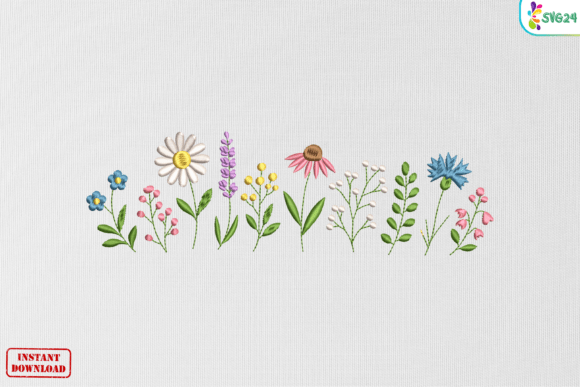
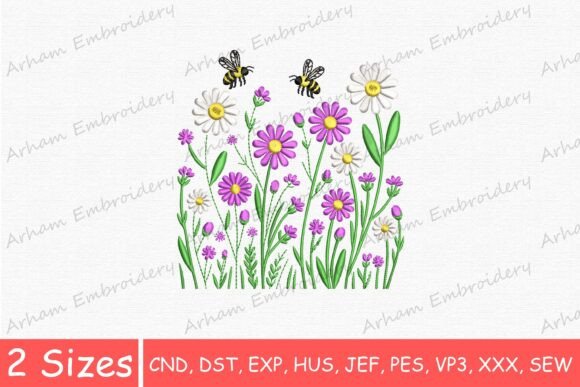
As an embroidery designer who’s tested hundreds of machine embroidery designs for personalized gift shops, I opened Spring Wildflower Honey Bee expecting seasonal sweetness—and found something richer. The first impression is immediate: delicate but confident, soft but not saccharine. A honey bee rests gently at the center, wings subtly veined, body textured with fine satin stitches—not cartoonish, not stiff, but alive. Around it, wildflowers bloom in varied heights and petal shapes: buttercups, clover, tiny violets, and slender stems that sway as if caught mid-breeze. It doesn’t shout “spring”—it whispers it. That quiet elegance makes Spring Wildflower Honey Bee equally at home on a linen baby blanket and a silk wedding pillow cover. It feels handmade, intentional, and emotionally warm—exactly what customers seek in a meaningful personalized gift.
Where This Design Truly Blooms: Real-World Gift Applications
Spring Wildflower Honey Bee isn’t just pretty—it’s purpose-built for connection. For baby embroidery, it adds tenderness to onesies, burp cloths, and muslin swaddle blankets without overwhelming delicate scale. On a neutral cotton towel? It transforms an everyday item into a cherished embroidered towel—ideal for new parents or hostess gifts. Pillow covers gain instant character; aprons become heirloom-worthy; tote bags feel thoughtful, not trendy. Wedding gift designers will love how it complements rustic, garden, or vintage themes—stitched onto handkerchiefs, napkin sets, or ring bearer pillows. Nursery decor gains gentle sophistication: think framed hoop art, quilt blocks, or custom crib sheets. Even craft fair vendors and Etsy sellers benefit—the design photographs beautifully against natural light and wood backdrops, inviting clicks and shares. As a small shop product, it elevates perceived value instantly: customers don’t see “just embroidery,” they see care, seasonality, and story.
Thoughtful Placement Matters: Where to Stitch—and Where to Pause
Like any well-loved design, Spring Wildflower Honey Bee thrives with mindful application. Its charm lives in detail—so avoid cramming it onto curved surfaces (like mug sleeves or baseball caps) where distortion blurs petal edges or bee wing definition. On thick, textured fabric like terry cloth towels, use cutaway stabilizer generously and reduce stitch density slightly to prevent puckering. Stretchy baby clothes demand lightweight tear-away plus basting stitches—test first. Dark fabrics require high-contrast thread colors (think golden yellow for the bee, soft lavender for flowers); always run a printable mockup to preview balance before stitching. And while the design reads beautifully at 3–4 inches wide, resist shrinking it below 2.5 inches—those fine flower centers and bee antennae risk becoming indistinct. For small lettering additions (like a name or date), keep fonts clean, bold, and separate from the floral elements to maintain legibility.
Why Customers Choose—and Keep—This Kind of Personalized Gift
Gift buyers don’t just purchase embroidery—they invest in feeling. Spring Wildflower Honey Bee taps into nostalgia, hope, and quiet joy: the bee symbolizes community and diligence; wildflowers evoke freedom and resilience. That emotional resonance builds trust. When a customer sees this design on your Etsy listing or boutique shelf, they sense craftsmanship—not mass production. They imagine gifting it to someone who values nature, gentleness, or new beginnings. That translates directly to buyer engagement: longer page views, saved listings, repeat orders. In product photography, its organic shape and layered textures create depth and warmth—no over-editing needed. And because it avoids cliché (no oversized bumblebees or cartoon blossoms), it feels timeless, not dated. For handmade product sellers, that longevity means fewer seasonal reboots and more consistent sales across spring, summer, and even early fall weddings or baby showers.
Practical Embroidery Notes Every Maker Should Run Before Production
Before stitching your first customer order, treat Spring Wildflower Honey Bee like a trusted collaborator—not just a digital embroidery file. Always test on scrap fabric matching your final product: same weight, weave, and wash history. Check thread color contrast under both daylight and indoor lighting—some pastels shift dramatically. Confirm hoop size compatibility; if your machine requires re-hooping mid-design, note where stems or wings cross the seam line. Review stitch density: if it feels heavy on lightweight cotton, adjust tension or add a second layer of stabilizer. Use appropriate stabilizer—cutaway for knits and towels, tear-away for stable wovens, and water-soluble for sheer layers like organza. Compare light and dark fabric mockups side-by-side to ensure visibility and harmony. After stitching, inspect small details closely: are bee wings crisp? Do flower centers read clearly? Finally—and critically—verify commercial licensing terms before selling finished products. As a digital embroidery file, its value multiplies only when used ethically and confidently.
Final Thought: More Than a Design—A Quiet Invitation
Spring Wildflower Honey Bee doesn’t demand attention. It invites it—gently, gracefully, with the quiet confidence of something true to season and soul. For embroidery makers, gift shop owners, Etsy sellers, and wedding designers, it’s a versatile, emotionally intelligent tool: one that helps turn fabric into feeling, and custom embroidery into keepsakes. Used thoughtfully, it supports small shop product integrity, deepens customer relationships, and reminds us why we stitch in the first place—not just to make things, but to mark moments worth remembering.