Vintage Floral Embroidery Design: A Working Designer's Honest Review
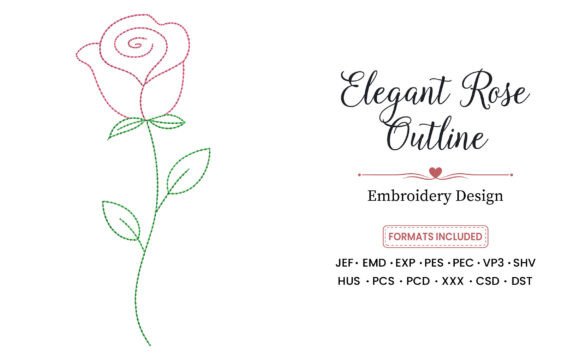
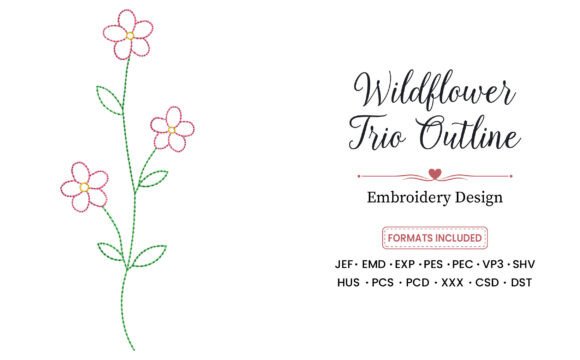
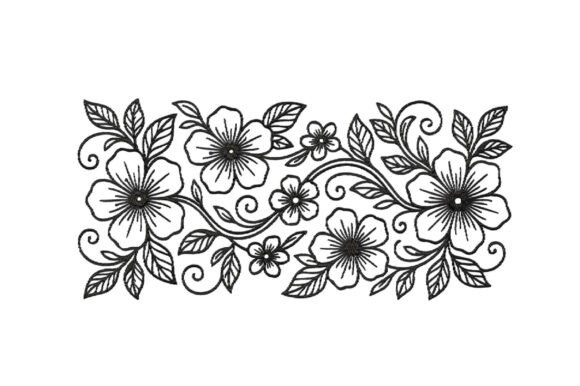
I've been staring at this Vintage Floral Embroidery Design for about twenty minutes now, flipping between the digital preview and a mental catalogue of projects I've got lined up for the spring craft fair season. There's something about a well-drawn botanical composition that either clicks immediately or feels like it's trying too hard, and this one landed in the first category. The arrangement of flowers, leaves, and those curling decorative vines carries a classic botanical feel without slipping into grandmother's wallpaper territory. That balance matters more than most people realize, especially when you're stitching it onto something a customer will actually wear or gift.
What I'm seeing here is a design that understands restraint. The floral elements aren't overcrowded, the vine work doesn't choke the composition, and the overall silhouette feels intentional rather than randomly assembled. When I evaluate any machine embroidery design from the Outline Flowers category, I'm looking for three things: visual clarity, stitchability, and commercial versatility. This one checks two of those boxes immediately, and the third deserves a closer conversation.
The Mood This Design Creates Before a Single Stitch
There's a quiet elegance to this vintage floral arrangement that I'd describe as botanical garden meets heirloom textile. The flowers read as thoughtfully placed rather than scattered, and the leaf elements create a natural frame that would work beautifully on products where the embroidery needs to feel like an intentional focal point. I'm picturing a natural linen tote bag with this design stitched in muted sage and dusty rose threads, and honestly, I can already see customers reaching for it at a boutique display.
The Vintage Floral Embroidery Design carries a timeless quality that avoids trend dependency. That's a practical advantage for Etsy sellers and craft business owners who don't want to redesign their product line every season. Classic botanical styles have staying power. They work for spring collections, wedding gifts, and even holiday projects when paired with the right fabric and thread palette. I've seen too many trendy designs lose relevance within months, and this one doesn't have that problem.
Where This Design Would Actually Shine in Real Projects
Let me walk through the products where I'd confidently use this design, based on years of testing outline and floral embroidery files on everything from delicate baby clothes to structured canvas bags.
Tote bags and market bags feel like the most natural home for this botanical composition. The design's flowing shape complements the vertical orientation of a standard tote, and the outline-heavy nature means it won't add excessive stiffness to the fabric. I'd position it slightly off-center for a modern, curated look, or centered for a more traditional boutique feel. Either way, the finished product would photograph well, which matters enormously for digital product previews and printable mockups in online listings.
Sweatshirt embroidery is another strong application, particularly on crewnecks in natural, oat, or soft cream tones. The vintage floral aesthetic against a cozy sweatshirt creates exactly the kind of wearable art that boutique customers gravitate toward. I'd recommend a medium placement on the upper chest or a larger version centered on the back. The outline style keeps the garment from feeling heavy or stiff after stitching, which is crucial for apparel that gets worn regularly.
For baby embroidery and nursery decor, this design offers a sophisticated alternative to overly cutesy motifs. I can see it on a crib sheet corner, a small pillow cover, or a delicate onesie accent. The botanical theme feels nurturing without being infantile, and parents who prefer a more refined nursery aesthetic would appreciate that distinction. The same applies to personalized gifts for weddings or anniversaries, where the floral composition carries symbolic weight without requiring literal interpretation.
Kitchen towels and aprons present another practical canvas. A single placement on a flour sack towel, stitched in a tonal thread that complements the fabric, creates the kind of handmade product that sells consistently at craft fair products tables. The design's outline nature means it won't create a stiff patch that interferes with the towel's functionality, which is a detail customers notice even if they don't articulate it.
Embroidered patches are worth considering too. If you're creating standalone patches for jackets, bags, or caps, this design's defined edges and self-contained composition would translate well. You'd need to add a border or finish the edge cleanly, but the floral shape naturally lends itself to a patch format. For small shop merchandise, patches offer a lower price point that attracts impulse buyers while still showcasing your embroidery quality.
The Honest Limitations Worth Acknowledging
Every design has its boundaries, and pretending otherwise doesn't help anyone. With the Vintage Floral Embroidery Design, I'd be cautious about extremely small hoop sizes. The delicate vine details and leaf elements need breathing room to read clearly. If you try to shrink this design too aggressively, you risk losing the very botanical intricacy that makes it appealing. Check your hoop size against the design dimensions before committing to a project, especially for items like baby onesies or narrow hat fronts where space is limited.
Stretchy fabric and thin fabric demand extra attention with any outline-heavy design. The continuous lines of vines and stems can pull or distort on unstable fabric if your stabilizer choice isn't dialed in. I'd recommend a medium-weight cutaway stabilizer for knits and a quality tear-away for woven fabrics, with a topper on anything with a nap or texture. Test on scrap fabric first, always. I've learned that lesson the hard way with a ruined batch of otherwise lovely tea towels.
Dark fabric presents another consideration. The vintage floral style often relies on visible linework, and if your thread color doesn't contrast sufficiently against a dark background, the design's subtlety becomes invisibility. I'd test a sample stitch on black, navy, and charcoal fabrics before offering those options to customers. Sometimes a slightly lighter thread than you'd expect creates the right botanical feel without losing the vintage mood.
For caps and curved surfaces, this design's elongated shape might require careful placement and possibly some design rotation. The floral composition wasn't specifically created for the curved front panel of a baseball cap, so you'll need to assess whether the design sits naturally or looks forced. I'd probably steer this toward flat or gently curved surfaces where the botanical flow can be appreciated without distortion.
Stitching Performance and Practical Testing Notes
Since I haven't personally run this exact file through my machine yet, I'll share what I look for when testing any new embroidery file in the outline floral category. Stitch density is the first thing I check. Outline designs can sometimes run too dense, creating a stiff, almost plastic feel on fabric, or too sparse, leaving the design looking incomplete. The preview suggests a balanced approach, but you'll only know by stitching it out.
I always recommend checking thread color contrast before production. What looks beautifully subtle on screen can become practically invisible on fabric, and what appears bold digitally might overwhelm a delicate product. Test your chosen thread palette on the actual fabric you'll use for finished products. This step takes fifteen minutes and saves expensive mistakes.
Review the small details under magnification or by stitching a sample and examining it closely. The tiny leaf veins and vine curls that give this design its vintage character need to render cleanly. If they're too small for your machine's capabilities or the fabric's texture, you'll end up with blobs instead of botanical details. Testing in black and white can help you evaluate the design's structural clarity without being distracted by color choices.
Also worth mentioning: confirm the licensing terms before selling finished items or incorporating this design into digital embroidery file collections. Whether you're creating handmade products for a weekend market, building a commercial embroidery business, or designing for boutique branding, you need to know what's permitted. Some designers allow finished product sales with attribution, others require a commercial license. Don't assume.
How Customers Might Perceive the Finished Product
I think about buyer psychology a lot, probably more than most makers do. When a customer encounters a product featuring this Vintage Floral Embroidery Design, what's their emotional response? Based on the botanical style, I'd expect a sense of quality, thoughtfulness, and timelessness. This isn't a trendy, disposable design language. It signals to the buyer that the item was made with care and that the maker understands aesthetics beyond what's currently viral.
For giftability, this design scores high. The floral theme works across occasions, from Mother's Day to weddings to housewarming presents. A personalized gift featuring this embroidery feels considered rather than generic, which is exactly what gift shoppers are looking for when they choose handmade over mass-produced. The vintage botanical style also appeals to multiple generations, so you're not limiting your customer base to a single demographic.
From a brand consistency standpoint, this design would fit seamlessly into a product line built around natural materials, botanical themes, or heritage-inspired aesthetics. If your shop already carries items with a similar vintage feel, adding this floral embroidery strengthens your visual identity rather than fragmenting it. For small shop products and Etsy listings, cohesive branding builds buyer trust and encourages repeat purchases.
Preparing for a Specific Project: The Tote Bag Test
Let me ground this in a real scenario. I'm planning a limited run of embroidered tote bags for a spring boutique event, and I'm seriously considering this floral design for the collection. Here's my thinking process: I'd start with a natural cotton canvas tote, medium weight, in an unbleached or oatmeal tone. The fabric's subtle texture would complement the vintage botanical feel without competing with the stitchwork.
I'd test the design at its intended size on a scrap of the same canvas, using a medium-weight cutaway stabilizer and a 75/11 embroidery needle. Thread choice would be a soft, muted green for the leaves and stems, with a slightly deeper dusty rose or mauve for the flower elements. I'd avoid anything too bright or saturated, since the vintage mood relies on a gentler color story. Then I'd wash the test sample, dry it, and check for any distortion, thread breakage, or visual changes. If it passes, I'd feel confident producing the full run.
For the listing photos, I'd style the finished tote with dried flowers, a linen backdrop, and natural light. The printable mockup would reflect the same aesthetic, giving online buyers a clear sense of what they're purchasing. I'd price the tote in the mid-to-premium range for handmade accessories, reflecting both the quality of the embroidery and the design's distinctive character.
Final Thoughts Before You Stitch
The Vintage Floral Embroidery Design offers genuine practical value for makers who understand its strengths and respect its limitations. The botanical composition is versatile enough for apparel, home goods, and accessories, while the outline style keeps the finished product feeling soft and wearable rather than stiff and overworked. The vintage character appeals to buyers seeking something with more permanence than a fleeting trend, which matters for building a sustainable craft business.
Before you commit to production, do your due diligence. Check the hoop size against your machine's capabilities, confirm the file format matches your software, test on the actual fabric you'll use, and verify the licensing terms for your intended use. These steps aren't optional, they're the difference between a product you're proud to sell and one that causes customer complaints.
I'll be adding this design to my spring collection, with the right testing and fabric choices, and I suspect many of you will find it earns its place in your embroidery project lineup too. The botanical style never really goes out of fashion, and when it's drawn with this level of attention to composition, it's worth the stitch time.