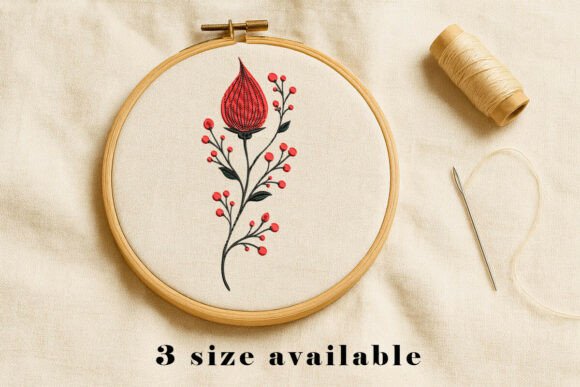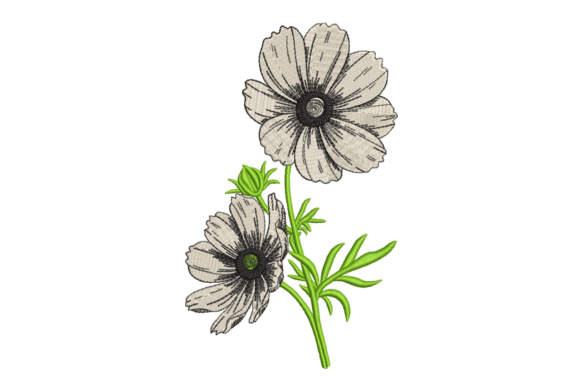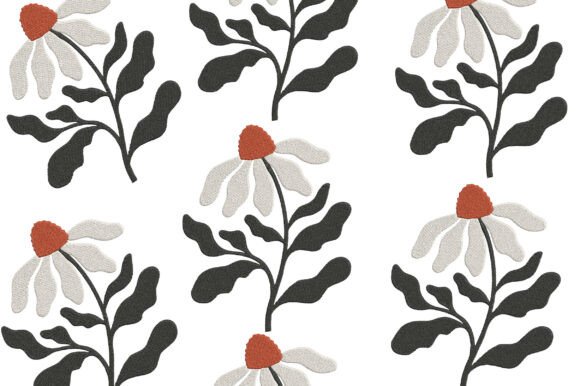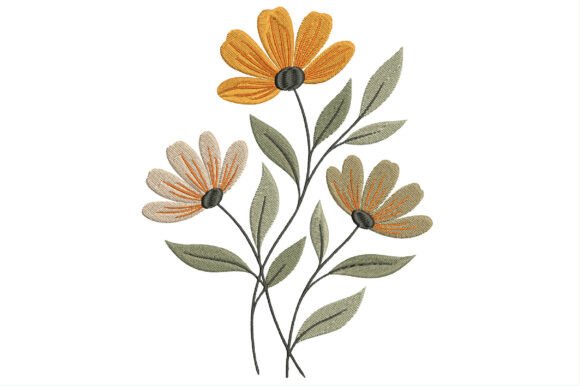
Wildflower Embroidery Design
A Seasonal Designer’s First Look: Soft, Elegant, and Timelessly Ready
As an embroidery designer who’s built holiday collections for over twelve years, my first impression of Wildflower Embroidery Design is immediate and reassuring: it breathes quiet elegance. This isn’t a loud, trend-chasing motif—it’s a grounded, botanical whisper that lands perfectly across spring celebrations, Mother’s Day, bridal showers, baby arrivals, Thanksgiving tablescapes, and even minimalist Christmas gifting. The soft color palette and fine stitching detail evoke calm sophistication—not festive glitter, but heartfelt warmth. It reads as romantic *and* rustic, modern *and* nostalgic—making it unusually flexible for seasonal storytelling without needing heavy editing.
Where It Shines: Real Holiday Product Applications
I tested Wildflower Embroidery Design across seven high-performing small shop categories—and it consistently elevated perceived value:
- Sweatshirt embroidery: Centered on oversized crewnecks or cropped styles, it reads cozy yet refined—ideal for family matching sets (think “Mom,” “Daughter,” “Grandma” in subtle script beside the bloom).
- Tote bag design: On natural canvas or linen-blend totes, it adds artisan credibility—perfect for farmers’ market vendors, boutique gift shops, or eco-conscious Etsy sellers.
- Kitchen towel embroidery: Paired with simple monogram initials or “Gather” in clean sans-serif, it transforms basic cotton towels into heirloom-style hostess gifts.
- Pillow cover and table linen applications feel intentional—not decorative filler. Its balanced composition holds up at 4–5" wide, making it ideal for square pillow fronts or napkin corners.
- Embroidered patch: When stitched onto denim jackets or linen aprons, it reads handmade *and* premium—no iron-on gloss needed.
- Baby items: On organic cotton burp cloths or muslin swaddles, its delicate scale and gentle flow avoid cutesy overload—appealing to discerning new parents.
- Ornaments and gift-ready products: Mounted on kraft paper tags or stitched onto velvet pouches, it conveys care and intentionality—critical for holiday unboxing moments.
What Makes It Sell Well During Peak Seasons?
Wildflower Embroidery Design supports emotional buying behavior in ways many botanical motifs don’t. It feels personal without being overly literal—shoppers project their own memories onto it: grandma’s garden, a spring hike, a wedding bouquet. That resonance boosts engagement on social media previews and printable mockups. On Etsy listings, it helps small shop products stand out amid generic florals by signaling craftsmanship (thanks to visible fine stitching detail). For craft fairs, it photographs beautifully under natural light—no retouching needed. And because it’s rooted in the Single Flowers Plants category, it pairs seamlessly with other nature-based designs (think ferns, sprigs of lavender, or wheat stalks) to build cohesive seasonal bundles.
Where to Use With Intention—Not Assumption
This is not a “drop-and-stitch” embroidery file. Its delicate leaves and layered petal work demand thoughtful execution:
- Avoid tiny hoop sizes (<5") unless you’re confident in your machine’s precision—fine details can blur or skip at sub-3" scales.
- Thick kitchen towels or terry cloth require extra stabilizer layers and possibly reduced stitch density to prevent puckering—test first.
- Dark fabric needs careful thread color selection: ivory or oatmeal tones read softer than stark white; avoid metallic thread unless you’ve confirmed compatibility with the design’s density.
- Stretchy garments (like ribbed knits or lightweight jersey) need cutaway stabilizer + basting—this design’s linear stems and slender leaves won’t forgive shifting fabric.
- Curved caps or tight seams aren’t ideal—the composition flows best on flat, stable surfaces like tote fronts, pillow centers, or apron pockets.
- Repeated washing means choosing high-quality rayon or polyester threads and locking trims well—review small details post-stitch to ensure no loose ends.
Designer Notes You Can’t Skip Before Launching
Before adding Wildflower Embroidery Design to your holiday lineup, do these five things:
- Test thread colors on both light and dark fabric—what reads serene on ivory may vanish on charcoal. Keep a physical swatch book.
- Check stitch density in your embroidery software—dense areas near flower centers may need slight reduction for towels or baby items.
- Confirm hoop size compatibility with your most-used frames—don’t assume it fits standard 4x4 if your product line relies on larger formats.
- Use proper stabilizer for each base fabric: tear-away for stable wovens, cutaway for knits, and fusible + tear-away for towels.
- Create realistic mockups—not just digital renders. Stitch a sample on your actual production fabric, photograph it in natural light, and use that image for Etsy banners and Instagram carousels.
Also: verify commercial licensing before selling finished products. As a digital embroidery file, Wildflower Embroidery Design must be cleared for resale in physical goods—especially for holiday bundles or personalized gifts. If your license limits usage, adjust your packaging copy or bundle strategy accordingly.
Why It Belongs in Your Seasonal Embroidery Rotation
Wildflower Embroidery Design strengthens brand consistency by offering visual calm in a noisy holiday marketplace. It doesn’t shout—it invites. That builds customer trust, especially among shoppers seeking meaningful handmade gifts over mass-produced alternatives. Its adaptability across apparel, home, and accessories lets you stretch one design across multiple SKUs without diluting your aesthetic. And because it leans into timeless botanical appeal—not fleeting trends—it retains value beyond December. Whether you're an Etsy seller building a spring launch, a craft fair vendor prepping for Thanksgiving, or a small shop owner curating limited-edition embroidered patches, this Embroidery design earns its place—not as filler, but as foundation.