Embroidery Flower Design: Designer Review for Brands
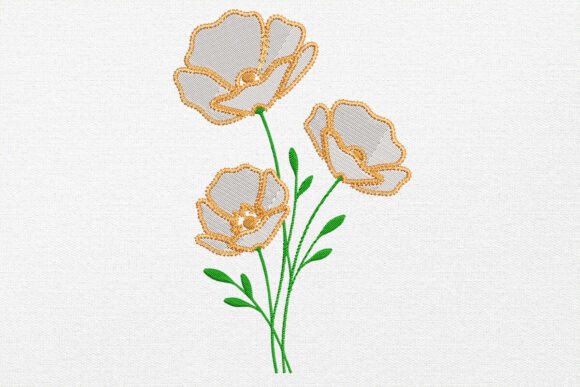
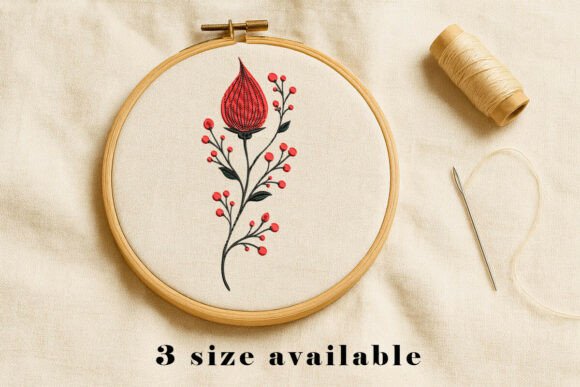
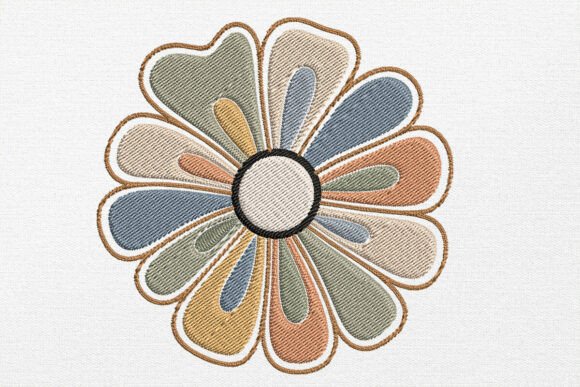
When I first opened the Embroidery Flower Design file, I immediately saw a pattern that speaks the language of small business. The boho floral arrangement, with its elegant wildflowers and minimalist line work, feels like it was pulled straight from a modern artisan’s sketchbook. The description promises a blend of effortless grace—ideal for hoop art, DIY projects, and modern embroidery lovers—and I can already picture it stitched onto a café apron, a boutique tote, or a handcrafted patch tied to a product tag. The mention of “Love Hands Line Art Embroidery Design” in the product description hints at a possible companion element, so I’ll be evaluating the floral core as a standalone brand asset. If you’re hunting for an embroidery file that adds a handmade, organic touch to your merchandise, this design deserves a close look.
First Impressions: A Warm, Artisan Personality
This isn’t a stiff, corporate floral. The Embroidery Flower Design reads as friendly, rustic, and quietly elegant—a perfect visual tone for a small bakery, a florist, a pet brand, or a creative studio. The boho structure and minimalist wildflower silhouette give it a decorative yet approachable feel. It’s the kind of mark that makes a uniform feel like a handcrafted statement rather than a mass-produced logo. In my experience, that balance between professional and playful is exactly what small business merch needs to build customer trust at first glance. The wedding flowers category reinforces its soft, romantic side, so bridal boutiques and event planners will find it naturally fitting, but don’t let that limit you. Any brand that values an earthy, personalized aesthetic can make this work.
Real Business Applications: Where This Design Shines
I evaluate every machine embroidery design by visualizing it on actual products. Here’s where the Embroidery Flower Design can become a standout asset for your small business:
- Embroidered Patches: As a standalone patch, the floral motif can be heat-sealed or sewn onto denim jackets, canvas backpacks, or product packaging. It instantly elevates a simple item into a branded keepsake.
- Chest and Sleeve Accents on Uniforms: Placed on a work shirt or an apron, this design becomes a signature mark. For a café or bakery, it’s a subtle emblem that feels like a hand-drawn detail rather than a loud logo.
- Cap Embroidery: The organic shape works well on unstructured caps, especially on the side or back. I’d avoid the front center unless the design is scaled and digitized carefully, but as a small accent, it adds character without overwhelming the face.
- Tote Bag Branding: This is a natural fit. A large-scale version on a canvas tote bag turns a utility item into a walking advertisement for your handmade brand. The boho motif pairs beautifully with natural fabrics and simple typography.
- Apron and Linen Decor: For a florist, a plant shop, or a home-based bakery, embroidering this design onto aprons or linen napkins creates a cohesive, premium look that customers notice and remember.
- Etsy and Craft Business Assets: Sellers can use this embroidery file to create finished hoop art, printable mockups, or product photos that consistently communicate a handmade, thoughtful brand story.
Critical Considerations for Commercial Embroidery
While the design is versatile, professional embroidery demands a critical eye. These are the areas where I’d pause and test before production:
- Small Patch Sizes: The delicate wildflower outlines and any possible “Love Hands” line art element could lose clarity if reduced below 2 inches. Fine lines need breathing room, so for a 1.5-inch patch, you may need to simplify the stitch pattern or accept a slightly bolder result.
- Cap Fronts and Curved Surfaces: The floral spray isn’t centrally symmetrical, which is actually a strength, but on a structured cap front, the natural curve can distort the design’s flow. Always test the placement on an actual cap before committing to a large order.
- Tiny Lettering: If the file includes any small text, be extremely cautious. It’s common for minimalist designs to pair with a tiny brand name, but sub-4mm lettering often becomes illegible in thread. I’d recommend using a separate, larger text file or embroidery font for any brand name addition.
- High Stitch Density on Fine Lines: The minimalist style begs for a light, airy stitch. Over-digitized areas could create a stiff, heavy patch that feels plastic rather than fabric. Ask your digitizer to keep the underlay minimal and the stitch count reasonable for the intended fabric.
- Dark Uniforms and Contrast: The boho look often relies on soft, earthy thread colors. On a black or charcoal apron, those colors might wash out. I’d test the design in black and white first, then experiment with a cream or light gold thread on dark backgrounds to maintain the elegant, airy feel while ensuring visibility.
- Frequent Washing: For staff uniforms that go through industrial laundry, avoid very long satin stitches that could snag. The Embroidery Flower Design likely uses mostly running stitches and delicate fills, so it should hold up well, but always do a wash test on a sample.
Practical Designer Notes: Before You Stitch
As a professional, I follow a checklist before any design goes into production for a client. Here’s what I’d recommend for the Embroidery Flower Design:
- Test in Black and White First: Print a paper version or run a quick stitch-out in a single color to see the silhouette clearly. This reveals spacing issues and helps you judge scalability.
- Check the Small Patch Size: If your business needs a patch under 2.5 inches, request a test stitch at that exact size. The design’s description suggests a minimalist style, which often translates well, but fine wildflower details can blur.
- Review Thread Color Contrast: The boho palette is key. Pair muted sages, dusty roses, and warm creams with a natural linen or cotton fabric. Avoid high-contrast neons unless you want a completely different, edgy look.
- Confirm the Hoop Size: The product description doesn’t specify a hoop, so you’ll need to check the actual file dimensions. For a left chest logo, a 4x4 inch hoop is standard, but for a tote bag centerpiece, you might need a larger hoop. Verify before purchasing.
- Use the Right Stabilizer: On woven fabrics like canvas or denim, a medium-weight cutaway stabilizer works. For stretchy uniform shirts, a no-show mesh stabilizer prevents puckering and distortion.
- Create a Mockup for Client Approval: Even if you’re the business owner, seeing a digital mockup on a photo of your actual product helps catch composition issues. This is especially useful when combining the Embroidery Flower Design with other design assets like a text logo.
- Compare It Beside Your Other Assets: If you already have a primary logo, this floral works best as a secondary mark. Visualize it next to your brand font and colors to ensure harmony.
- Confirm Commercial Licensing: The description doesn’t detail the license terms, so reach out to the seller. You need to know if the file can be used on products you sell, and if any quantity restrictions apply. This is non-negotiable for any digital embroidery file you plan to use for small business merch.
How This Design Strengthens Brand Identity
Beyond the stitch quality, the Embroidery Flower Design has a subtle but powerful impact on how customers perceive your business. When a buyer sees a handcrafted floral on a product tag, a sleeve, or a tote bag, their brain registers care, attention to detail, and an artisan sensibility. This instantly raises the perceived value of your custom apparel or handmade goods. It signals that you didn’t just slap a generic logo on a blank—you chose a thoughtful, beautiful mark that aligns with your brand’s personality.
For a local bakery, that might mean a patch on a bread bag that feels like a neighborhood secret. For a florist, it could be a delicate sleeve detail on a work shirt that mirrors the shop’s natural aesthetic. The Embroidery Flower Design helps create visual consistency across all your touchpoints, from staff uniforms to customer gifts. In a world where brand identity is often built online, a tangible embroidered detail turns a transaction into a memorable experience.
Final Verdict for Small Business Merch
I see the Embroidery Flower Design as a strong candidate for any business that wants to add a warm, handcrafted signature to its merchandise. The boho floral, minimalist wildflower style is inherently approachable and flexible, making it suitable for patches, aprons, caps, tote bags, and uniform accents across a wide range of industries—from wedding florists and bridal boutiques to cozy coffee shops and artisan craft brands. The key to success is respecting the design’s delicate nature: test it at the intended size, choose thread colors that complement your fabric, and always get a sample stitch-out on your actual product.
If you’re an Etsy seller or a growing handmade business, this could be the design asset that ties your packaging together and gives your finished product an unmistakable boutique feel. Just make sure to clarify the file format, stitch count, and commercial license terms before you start. With proper digitizing and placement, the Embroidery Flower Design can become the quiet, elegant detail that makes your brand unforgettable.