Tropical Hibiscus Floral Paradise: A Pro Designer’s Review
First Impressions of Tropical Hibiscus Floral Paradise
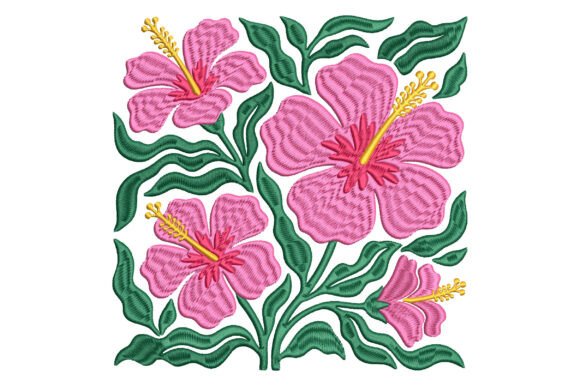
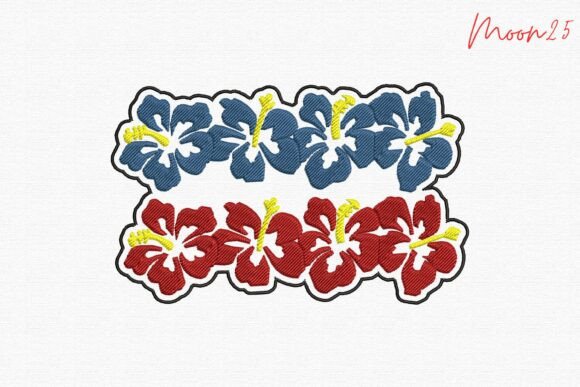
When I first saw Tropical Hibiscus Floral Paradise, I knew it belonged in my upcoming craft fair lineup. The artwork immediately reads as bold, tropical, and elegant—not kitschy or overly cartoonish. The combination of deep red and cool blue tones gives it a sophisticated island feel, more upscale luau than tourist souvenir. This is exactly the kind of machine embroidery design that stops a shopper mid-stride at a busy booth. It carries a polished, handcrafted quality that translates beautifully to handmade product displays. For a Wedding Flowers category design, the tropical mood opens doors to destination wedding decor, bridal party gifts, and honeymoon-themed items without feeling out of season. The floral composition feels intentional, with layered petals that promise texture and movement in thread.
How Tropical Hibiscus Floral Paradise Performs on Craft Fair Best-Sellers
I always mentally map a design onto my most reliable products before committing to a production run. Here’s how Tropical Hibiscus Floral Paradise tested across the items I know sell at weekend markets.
- Tote bags: The wide, balanced floral cluster fits perfectly on the front panel of a canvas tote. It reads from a distance, and the red-blue contrast pops against natural or black fabric. Great for farmers’ market shoppers.
- Aprons: Placed on the bib or pocket, it adds a custom boutique feel. The tropical theme makes it ideal for summer craft fairs, bakeries, or hostess gifts.
- Tea towels: This is where the design truly shines. The hibiscus motif feels crisp and clean on a flat-weave towel. Red and blue threads on cream or white linen scream “artisan kitchen.” The slight texture of the towel adds depth to the embroidery.
- Caps: A curved surface demands careful placement, but the design’s rounded shape hugs the front panel nicely. I would recommend scaling it down slightly and using a cap-specific hoop to avoid distortion. The stitching on structured caps holds up well, but tiny details may need simplifying.
- Patches: When stitched on heavy felt or twill, Tropical Hibiscus Floral Paradise becomes a wearable piece of art. The satin-stitch edges of the petals give it a premium, sew-on patch look that appeals to denim jacket customizers and bag decorators.
- Fabric pouches: Small zipper pouches, coin purses, or makeup bags become instant gift items. The design scales down to a 4x4 hoop easily, though I check for thread buildup in the center petals.
- Pillow covers: A statement piece for home decor. The tropical theme is trending in bohemian and coastal interiors, and this design centered on a linen or cotton throw pillow commands attention.
- Market bags and gift items: Reusable produce bags, book sleeves, and keychain wristlets all benefit from the vibrant, recognizable floral. It elevates a simple blank into a finished product that feels intentional and giftable.
What Makes This Design Stand Out at a Booth
At a real craft fair, you have about three seconds to grab a customer’s eye. Tropical Hibiscus Floral Paradise does that with its high-contrast color story. The reds are universally warm and inviting, while the blues add an unexpected coolness that keeps the design from feeling flat. When grouped with other embroidered goods, the design holds its own because it reads as decorative and premium without being overly complex. Customers often ask, “Is this hand-painted?”—that’s the reaction I want for an embroidery file that mimics fine art.
For Etsy sellers and small shop product listings, this design photographs beautifully. The stitched texture catches light, and the red-blue palette looks crisp against both light and dark backgrounds. I always create a printable mockup using the embroidery on a clean white background to showcase definition. Online buyers respond to clear, realistic product shots, and this design delivers that.
Production Notes: Stitch Density, Fabric, and Sizing
As a professional embroiderer, I don’t just judge a design by its preview—I think about how it behaves under the needle. Tropical Hibiscus Floral Paradise has some dense areas where the petals overlap. I strongly recommend a test stitch on scrap fabric before your first real run. Here’s what I watch for:
- Stitch density: The center of the hibiscus can become thick if the stitch density isn’t properly balanced. I check the file’s properties and do a sew-out to feel the drape. On lightweight fabrics, excess density leads to puckering. Use a quality medium-weight cutaway stabilizer on wovens and a no-show mesh on knits.
- Small details: The petal veins and any stamen details are delicate. If you scale the design too small, those fine lines may become muddled or disappear. I keep the design above 3.5 inches in its smallest dimension for clarity. For caps, I test the design on a curved surface to ensure the needles don’t skip.
- Tiny lettering: The description doesn’t mention text, but if the file includes any small lettering, I’d scrutinize it. On textured towels or curved caps, lettering below 5mm can lose legibility. I’d edit the file to remove or enlarge it.
- Fabric texture: Terry towels demand a topper to keep stitches from sinking. On thick fabrics like canvas, I use a sharp needle and extra stabilizer. The design’s wide satin stitches look gorgeous on smooth cotton but can distort on stretchy fabrics without proper backing.
- Dark fabric: On black or navy, the red and blue threads may need a white underlay or a thicker base thread to pop. I always test the thread colors on the actual fabric because on-screen previews can be misleading.
Practical Designer Tips for Selling This Embroidery
I’ve learned that the difference between a design that sells and one that sits in inventory is how you prepare it for the real world. Here’s my checklist for Tropical Hibiscus Floral Paradise before it hits my booth:
- Test the embroidery file on at least three different fabric types. I use a mid-weight cotton, a linen blend, and a soft canvas to see how the stitch depth and coverage vary.
- Check thread contrast. The red and blue tones described in the product info should be vibrant but not garish. I sometimes swap the blue for a slightly muted teal if the preview looks too electric. Always verify with your thread brand’s actual color chart.
- Review spacing and hoop size. The design should fit comfortably in a standard 5x7 hoop if you plan to sell it as a digital file to other crafters. If it requires a larger hoop, note that clearly in your digital embroidery file listing.
- Use the right stabilizer. For tote bags and aprons, I use a medium cutaway; for towels, a wash-away topping; for caps, a heavy tear-away. This prevents shifting and keeps the design crisp through multiple washes.
- Create at least one real mockup. A physical sample on a tote bag or pillow cover gives you invaluable photos for Etsy listings and social media. Customers trust a real product image over a digital preview.
- Compare fabric colors. I test the design on cream, white, light gray, and soft pink. The red pops on neutrals, while the blue details stand out on warmer tones. This helps me offer color variations at the booth.
- Confirm commercial licensing. Before selling any finished item, I verify that the embroidery file includes a commercial license. As a craft fair product maker, I need the right to sell physical goods. The product listing doesn’t explicitly state the license terms, so I’d contact the designer or check the included documentation to avoid legal issues.
Is Tropical Hibiscus Floral Paradise Right for Your Market?
As a handmade shop owner or boutique maker, you need to know this design’s strengths. It’s not a quiet, farmhouse-style floral—it’s a statement. It works best for businesses that lean into tropical, bohemian, or destination-inspired branding. If your booth aesthetic is rustic or primitive, the polished, vibrant look of Tropical Hibiscus Floral Paradise might feel out of place. But if you sell at beach markets, summer festivals, or bridal expos, this design will fit right in.
For Wedding Flowers usage, I can see it embroidered on ring bearer pillows, bridal party tote bags, or even a clutch for the bride. The tropical element gives it a modern, less traditional wedding vibe, which is hugely popular for destination weddings. Pair it with gold metallic thread accents for an extra touch of elegance.
From a production standpoint, Tropical Hibiscus Floral Paradise is repeatable. Once you nail the stabilizer and thread settings, you can batch-stitch with minimal supervision. The design doesn’t require frequent color changes, which keeps machine time efficient. For an Etsy seller offering made-to-order items, that’s a major advantage. I’d recommend offering it on a few core products—tote bags, tea towels, and patches—to maximize visibility and limit inventory complexity.
Final Thoughts on Booth Display and Buyer Engagement
When I set up my table, I think about flow. Tropical Hibiscus Floral Paradise works best as a focal point. I’d hang a large embroidered pillow cover at eye level, place a stack of folded tea towels in front, and clip a few patches to a display board. The red draws the eye, and the blue keeps it there. Customers often pick up the towels first, feel the texture, and then ask about other items. That’s the moment you can upsell a matching tote or pouch.
Remember, a machine embroidery design is only as good as its final presentation. Don’t skip the finishing touches—trim jump stitches, press the fabric, and attach a quality care tag. This design feels expensive, so treat it that way. If you’re a digital seller offering the file itself, include clear photos of the design stitched on actual products, along with notes on hoop size, thread count, and recommended fabrics. Buyers appreciate transparency, and Tropical Hibiscus Floral Paradise will sell itself when presented with confidence.